
Blogs
What Are Access Copies in Archives?
When you visit an archive or library to conduct research, you will often want to make copies of documents you find. In archival terminology, those copies are called access copies.
Tools of the Trade - CD Sleeves
Anyone who has had a CD collection or dealt with an AV collection knows how brittle and breakable plastic jewel cases are.
Deciphering Handwriting II: Renaissance to Enlightenment
At the very beginning of the Renaissance, Italian writers developed humanist minuscule, which was less cramped and ornate than blackletter scripts. The cultural movement behind this script looked to the past and took inspiration from uncial scripts, calling the script litterae antiquae for “ancient letters” and reacted in opposition to the “modern” blackletter – another name for this style is “whiteletter”!
What is OAIS? The Digital Preservation Framework Everyone References and Few People Define
OAIS is frequently cited in digital preservation discussions, vendor documentation, grant proposals, and repository planning meetings. It can sound like a piece of software or a checklist you either “have” or “do not have.” It is neither.
How to Continue Capturing Your Organization’s Legacy Each Year
Many organizations are proud of their history and want to preserve it. They talk about their founding, the people who shaped the institution, and the milestones that marked major turning points along the way. That pride in legacy is often what motivates organizations to create an archive in the first place.
Deciphering Handwriting I: Ancient Rome through Medieval Period
This post is the first in a series on understanding and deciphering handwriting. In this introduction, I will cover key terminology in orthography and paleography and the origins of handwriting styles originating in Europe.
In-House Archivist vs. Archival Consultant: What’s the Difference?
Organizations often begin thinking about hiring an archivist when they realize they need better access to historical information. At that point, leadership usually faces an important question. Should the organization hire an in-house archivist or bring in an archival consultant to help build or organize the archive?
Tools of the Trade: Slide Pages
While slides can also be stored in boxes, a plastic sheet allows you to view many slides at once without taking them out of their protective casing.
Why Every Project Begins With an Archival Needs Assessment
The goal is not to write a report that identifies problems and leaves you with theory. Theory is useful in graduate school. In the workplace, you need decisions, priorities, and clear next steps.
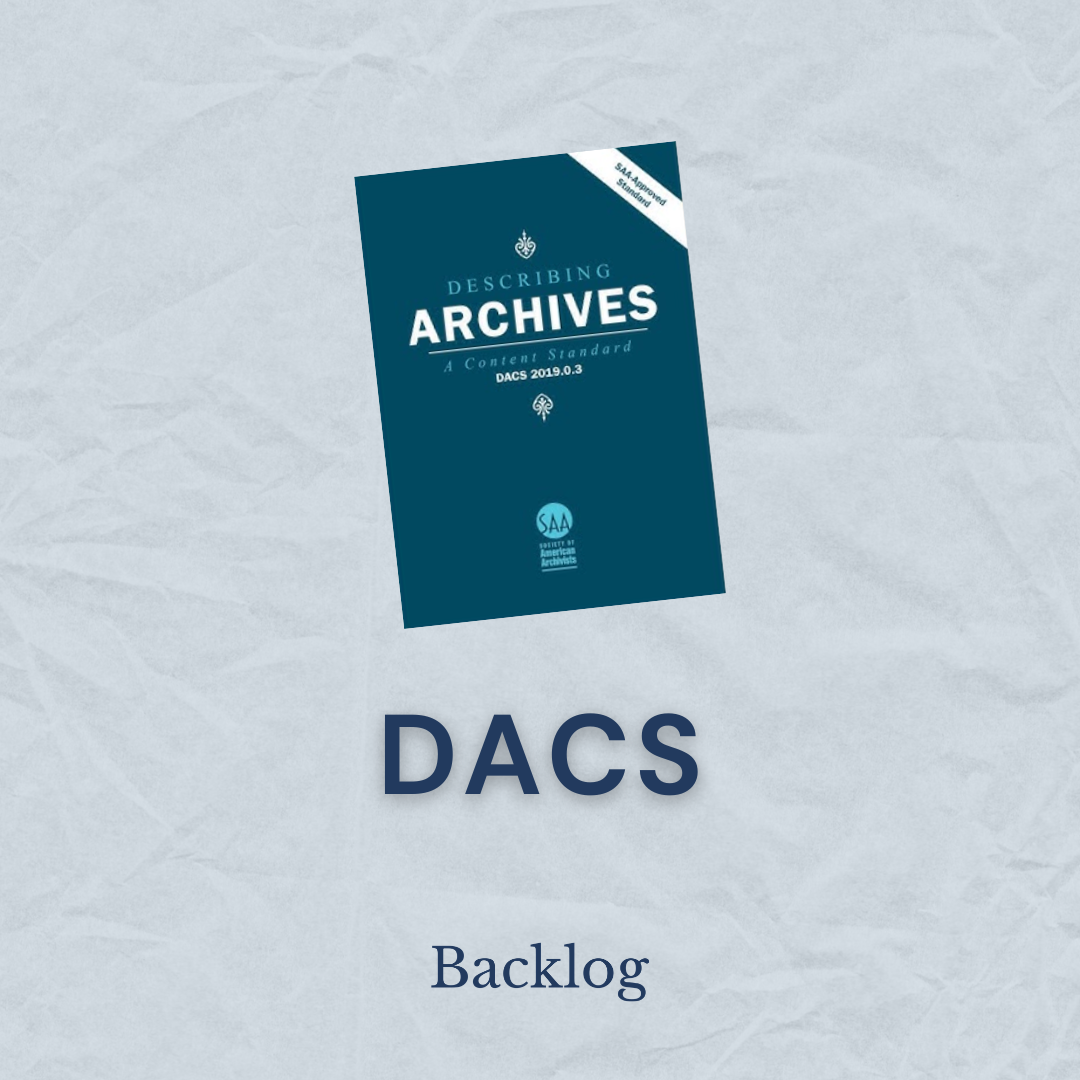
DACS, Explained: The Archival Standard Behind Better Finding Aids
If you have ever opened a finding aid and thought, “This is exactly what I needed,” you have benefited from DACS, even if you have never heard the acronym before.
When a Spreadsheet is Smarter Than a Database
Software without ownership, documentation, and maintenance becomes a time capsule. It feels like progress at the moment of purchase. Years later, it can become inaccessible, unsupported, or effectively abandoned. That does not mean you should never use archival software. It means you should earn it.
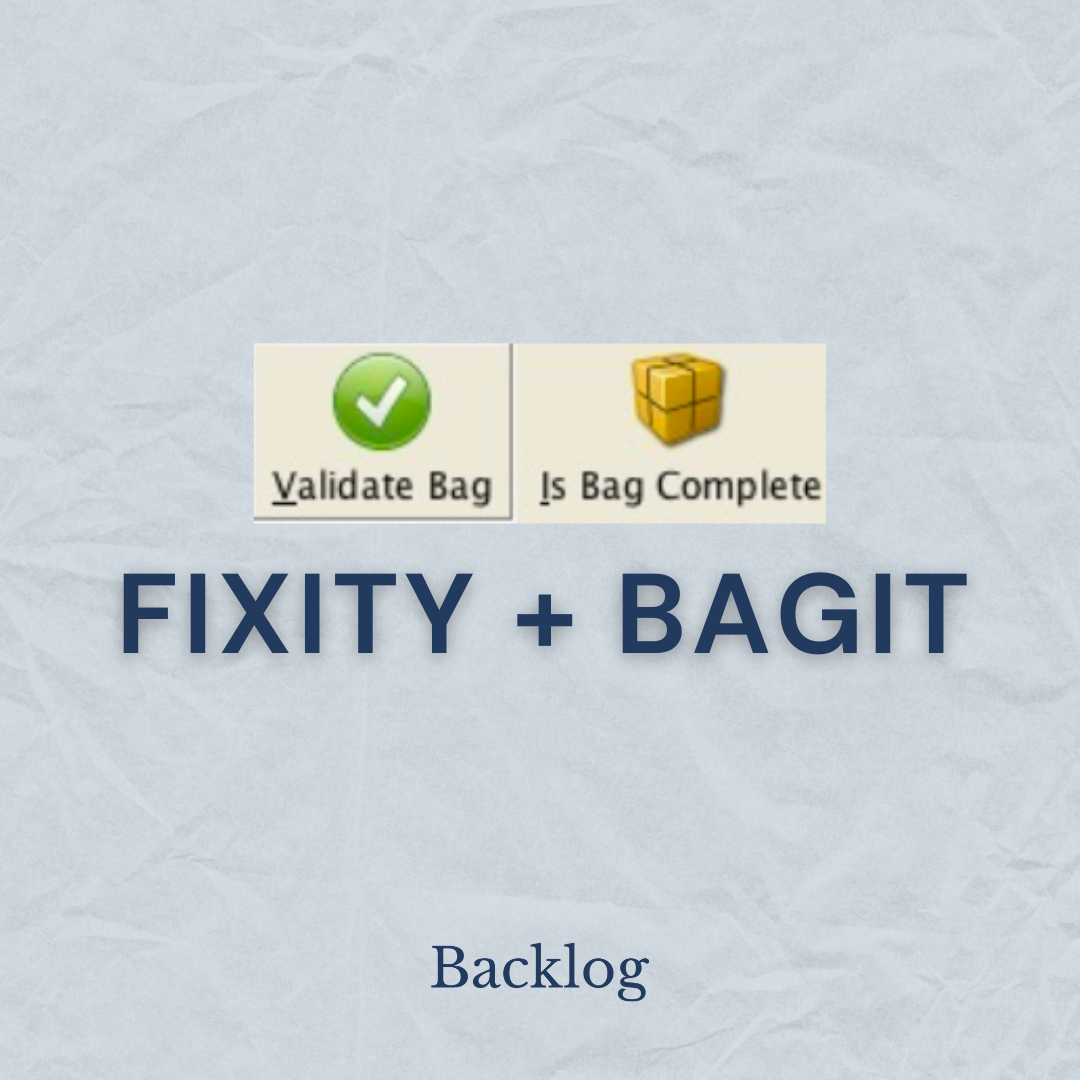
Fixity and Bagit: A Practical Guide to Digital Preservation Integrity
When an organization claims it is preserving digital records, what it is really claiming is this: the files you see today will be the same files you can access tomorrow, next year, and ideally decades from now.
That claim requires proof. In digital preservation, that proof comes from fixity.

Tools of the Trade: Drop-front Boxes
Drop-front boxes do just that: the front of the box is a flap that allows for easier access from the front rather than the top.
Tools of the Trade: Storage Carton
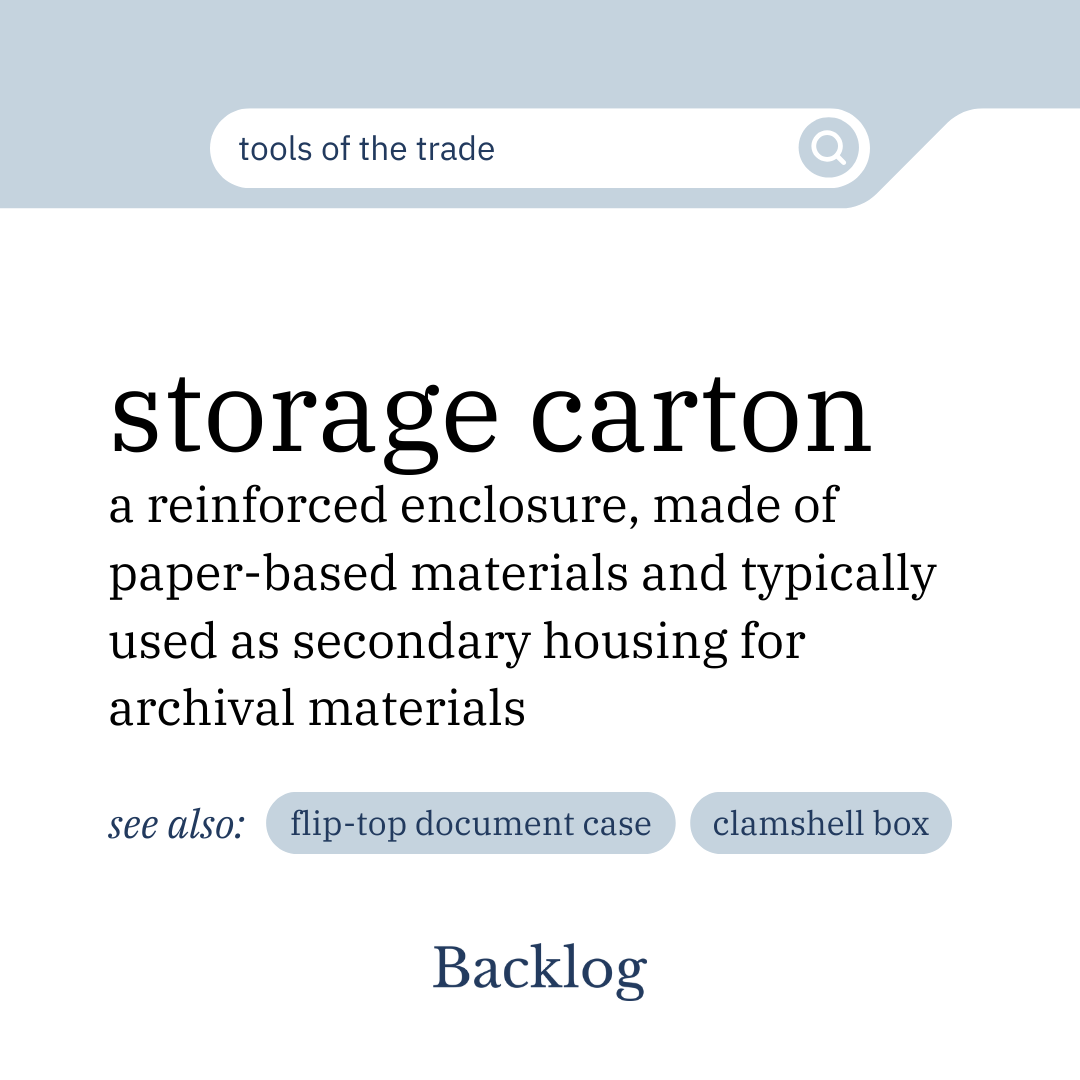
Like folders, record storage cartons AKA banker's boxes are staples to cultural heritage collections. In one orientation, they can accommodate letter-size files and in the other, legal-size. They can also be used to transport and store non-paper museum objects.
Tools of the Trade: File Folders
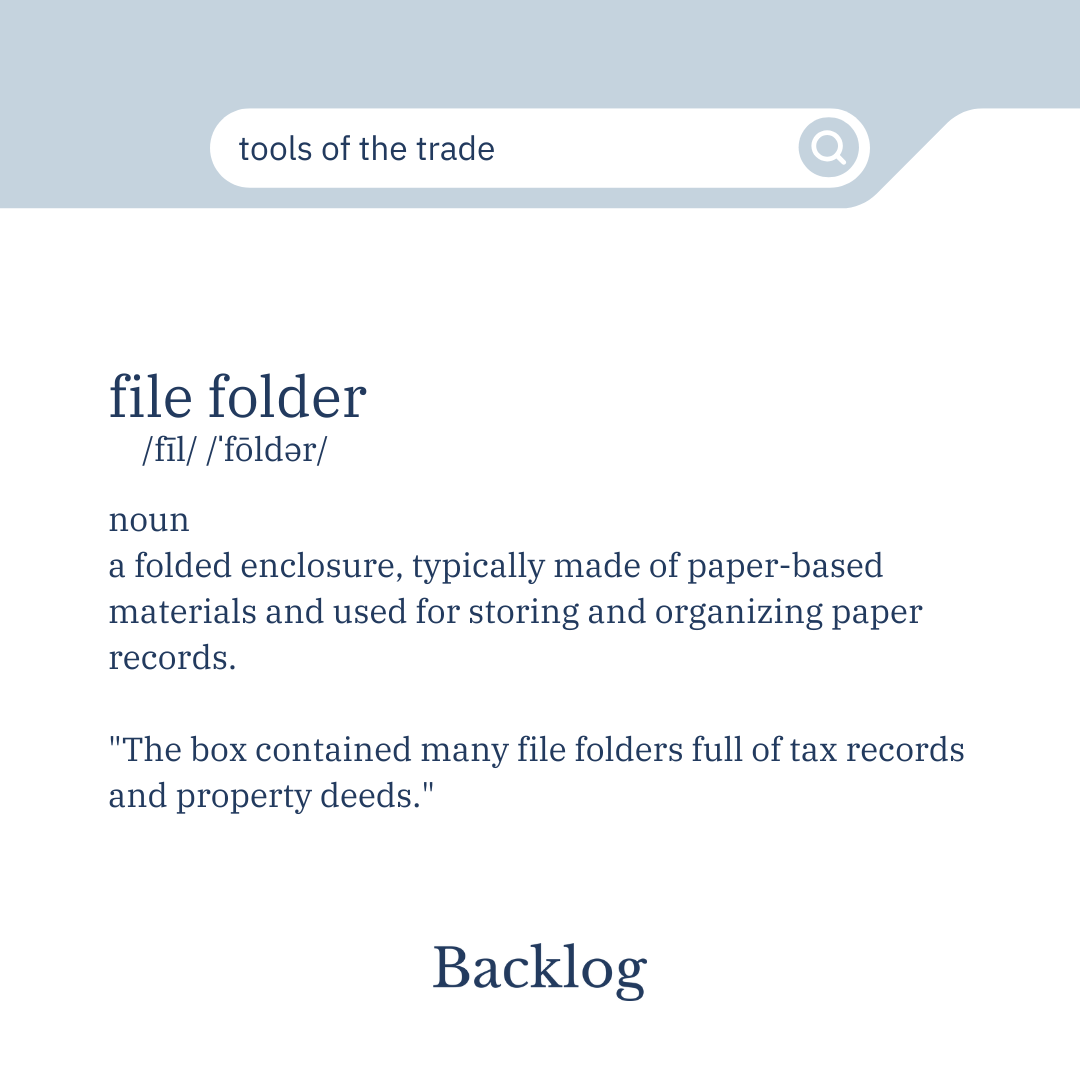
File folders are the basis of any archival collection. They’re not only ideal for storing loose documents together as a unit, but they can also be used to organize newspaper clippings, prints, and even some books.
Tip #34: Never store your news clippings next to other documents.
Newspapers, particularly newspapers printed in the 20th century and beyond, are very acidic. As such, newspaper clippings are prone to brittleness and should be considered high priority for digitization.
Tip #33: Limit handling damage with phase boxes.
Planning on storing books directly on shelves rather than in boxes and folders? Consider using a phase box.
Tip #32: Balance access with preservation.
Easier said than done. If you’re supposed to limit handling, how do you respond to research requests? How do you create exhibitions?
Tip #31: Limit playback of vinyl records.
That said, if you have to play the record, the state of the turntable matters just as much as everything else we’ve discussed (see Tip #25).
Tip #30: Wear nitrile gloves when handling film.
Pop quiz! Name one material you should NOT handle with gloves?