Why Every Project Begins With an Archival Needs Assessment
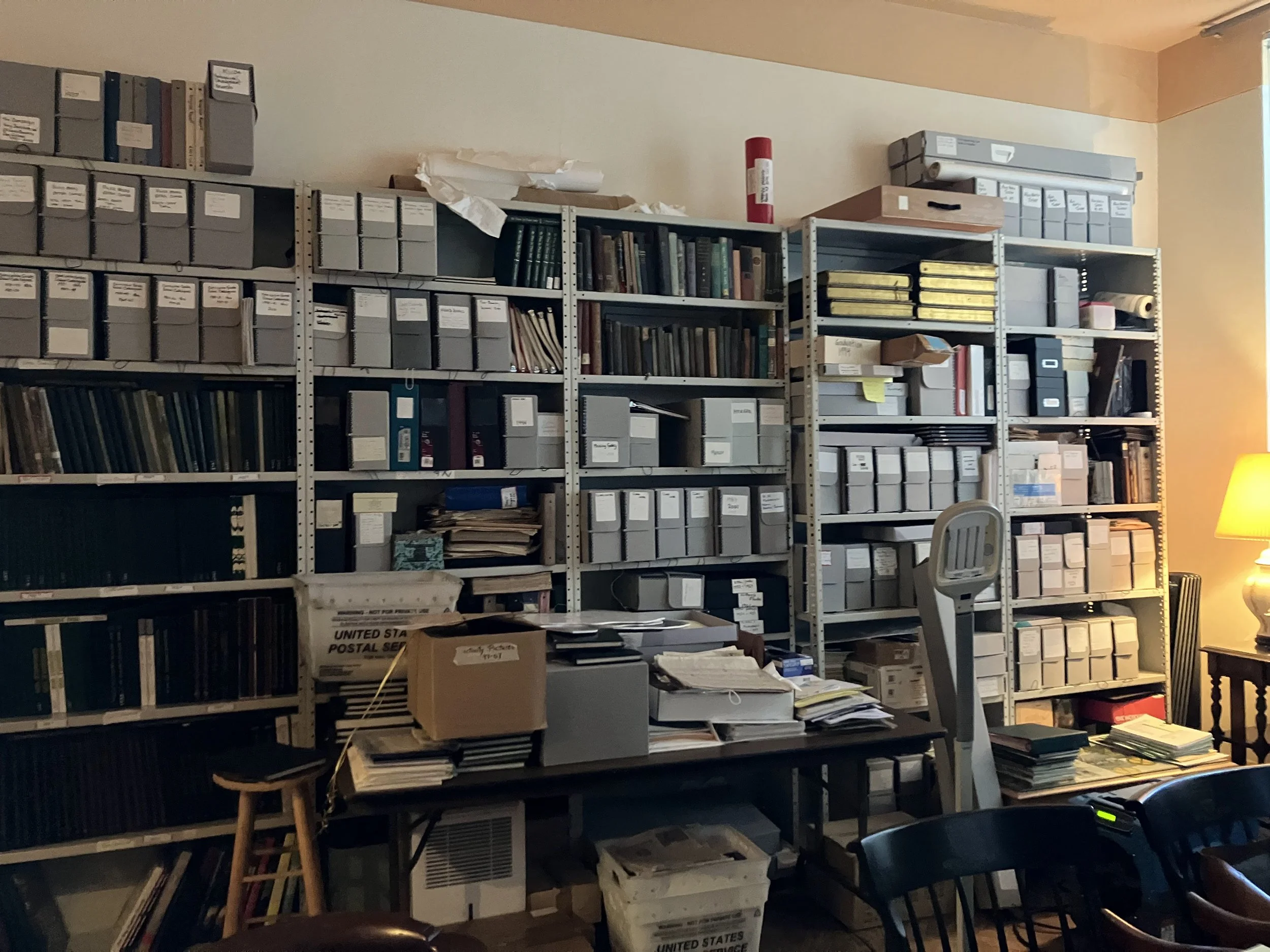
Backlog has conducted more than a dozen archival needs assessments over the last several years. When you engage us for this work, I am the person you work with directly. I come on-site, review your materials, speak with stakeholders, and gather data firsthand. After that, I take everything we’ve learned back to my team. We analyze it, compare notes, identify patterns, and develop practical workflows that can actually be implemented.
The goal is not to write a report that identifies problems and leaves you with theory. Theory is useful in graduate school. In the workplace, you need decisions, priorities, and clear next steps.
How It Starts
Most assessments begin with an email. Sometimes it is specific. We need to reduce the archive. We need to move materials off-site. We need help with digitization. Other times, it’s vague. Something is not working, and we want an outside perspective.
I’ll schedule an initial Zoom meeting at no charge. That conversation helps us determine whether we are the right fit and whether an assessment is truly the appropriate first step. After that, I develop a proposal outlining what we would evaluate if you hire us.
There are always core areas we examine. Organization of records. Digital materials. Access. Environmental conditions. Workflows. Stakeholder relationships. But assessments are not rigid templates. If you already know the basement is not ideal storage and there is no budget to relocate the archive, it is not helpful for me to simply restate that. Instead, we focus on realistic adjustments within your constraints and on broader structural issues that can be addressed.
The proposal becomes our guidepost. It defines scope, expectations, and deliverables.
When the Real Problem Emerges
Occasionally, once we are on site, it becomes clear that the underlying issue differs from what was initially described. That is not unusual. Sometimes it is simply difficult to articulate the problem until someone starts asking pointed questions.
I once wrote a proposal to evaluate a museum’s collection and facility. Once on site, it became clear that the central issue was staffing structure. They needed clarity about roles, responsibilities, and budget allocation. Did they need both a registrar and a collections manager? Were staff aligned with the right responsibilities?
When that happens, I regroup with the primary contact. We confirm whether to adjust the scope so that the final report reflects what the organization actually needs. That short recalibration prevents surprises and keeps everyone aligned.
What Happens On Site
I typically spend 2 days on-site reviewing materials and speaking with stakeholders. Stakeholders include anyone who uses the archives, sends materials to the archives, or depends on archival information. Leadership, IT, and marketing are often key voices, particularly in larger organizations.
We discuss how materials are transferred. How they are accessed. What frustrates staff? If the archive had a stronger inventory or finding aid, what would people want to locate more easily?
It is important for me to see the archive in the context of the organization as a whole. An archive does not operate in isolation. It reflects institutional priorities, workflows, and departmental relationships.
Data gathering continues beyond those two days. I often spend a full week conducting interviews and collecting documentation. Many organizations have remote staff or packed schedules, so meetings may extend across several days. If critical voices such as IT are unavailable until later, we adjust the delivery timeline accordingly. We do not issue recommendations without full visibility into the infrastructure.
If we uncover complexities that require additional analysis, such as multiple overlapping inventories that may reference the same collection, we communicate that immediately and adjust expectations transparently.
Deliverables and Timeline
I provide a projected return date during the data gathering phase, once I understand the scale and complexity of the archive. Most reports are delivered within four to six weeks of the site visit.
The final product is a written report with clear findings and recommendations. If physical preservation improvements are needed, the report includes photographs and practical guidance. We also provide supply lists where appropriate. The goal is to move from observation to implementation.
I will schedule a follow-up meeting one week after the report is delivered. This gives your team time to read and reflect before we reconvene. We address questions, clarify recommendations, and confirm priorities. If something feels misaligned, we take an additional pass to ensure the assessment reflects what you need.
For organizations with internal staff who will carry out the work, we offer a secondary check in one to two months later. That meeting provides real-time guidance as implementation begins. If you encounter roadblocks while arranging materials or refining workflows, we can help you course-correct early.
Why We Insist on Starting Here
We begin most engagements with an archival needs assessment because implementation without diagnosis wastes time and money. If an organization believes it needs processing but has not defined its workflow, retention logic, or access priorities, jumping straight into hands-on work will only replicate existing confusion.
An assessment creates clarity. It defines the problem before we build the solution.
From there, we can develop additional proposals for hands-on processing, workflow design, records retention schedules, digitization planning, or partnerships with off site storage and preservation vendors. We are a full-service firm, but we do not skip the foundational step unless the problem is narrowly defined and clearly scoped.
An archival needs assessment is not about producing a document for the shelf. It is about giving your organization a practical, prioritized roadmap for what comes next.
You can learn more about our archival needs assessments here. Interesting in chatting with us? Drop us a line.