
Blogs
What the NEH Collections Stewardship Grants Will Not Fund
With the new NEH Collections Stewardship Grants, there’s new fine print to get used to and to evaluate before putting together your grant application. In this blog, we’ll cover what the grants won’t fund.
New NEH Collections Stewardship Grants for Archives, Museums, and Libraries
The NEH has restructured its grantmaking programs and introduced a new Collections Stewardship grant. This is a substantial funding opportunity for museums, archives, libraries, historical organizations, colleges, universities, and other institutions responsible for humanities collections.
Hands-On History for Academic Anniversaries
Academic anniversaries give schools and universities a built-in opportunity to look back at their history and find new ways to use their archival collections. Rather than simply publishing a list of important dates or displaying a few historic photographs, an anniversary can invite students, alumni, faculty, and staff to engage directly with archival materials.
Tools of the Trade: Photograph Sleeve
Photo sleeves are ideal enclosures for prints that are frequently handled, since they allow the user to see the image without handling the photo directly. Sleeved items can also join other documents in manuscript folders or go into box-binders for easier browsing.
Tools of the Trade: Oversized Folder
a folded enclosure made of paper-based materials, typically used to store prints, maps, and blueprints
Tools of the Trade: Negative Enclosures
Properly used, negative enclosures reduce handling damage by dispersing pressure and preventing abrasion.
Tools of the Trade: Hygrometer
No matter what kind of cultural heritage materials you’re trying to preserve, having a stable environment for storage is essential.
Archival Loans Without Regret: How to Lend and Borrow Responsibly
Archival loans are one of the most visible ways collections travel beyond the walls of a repository. They make it possible for materials to appear in exhibitions, support scholarship in new settings, and reach audiences who would never otherwise encounter them.
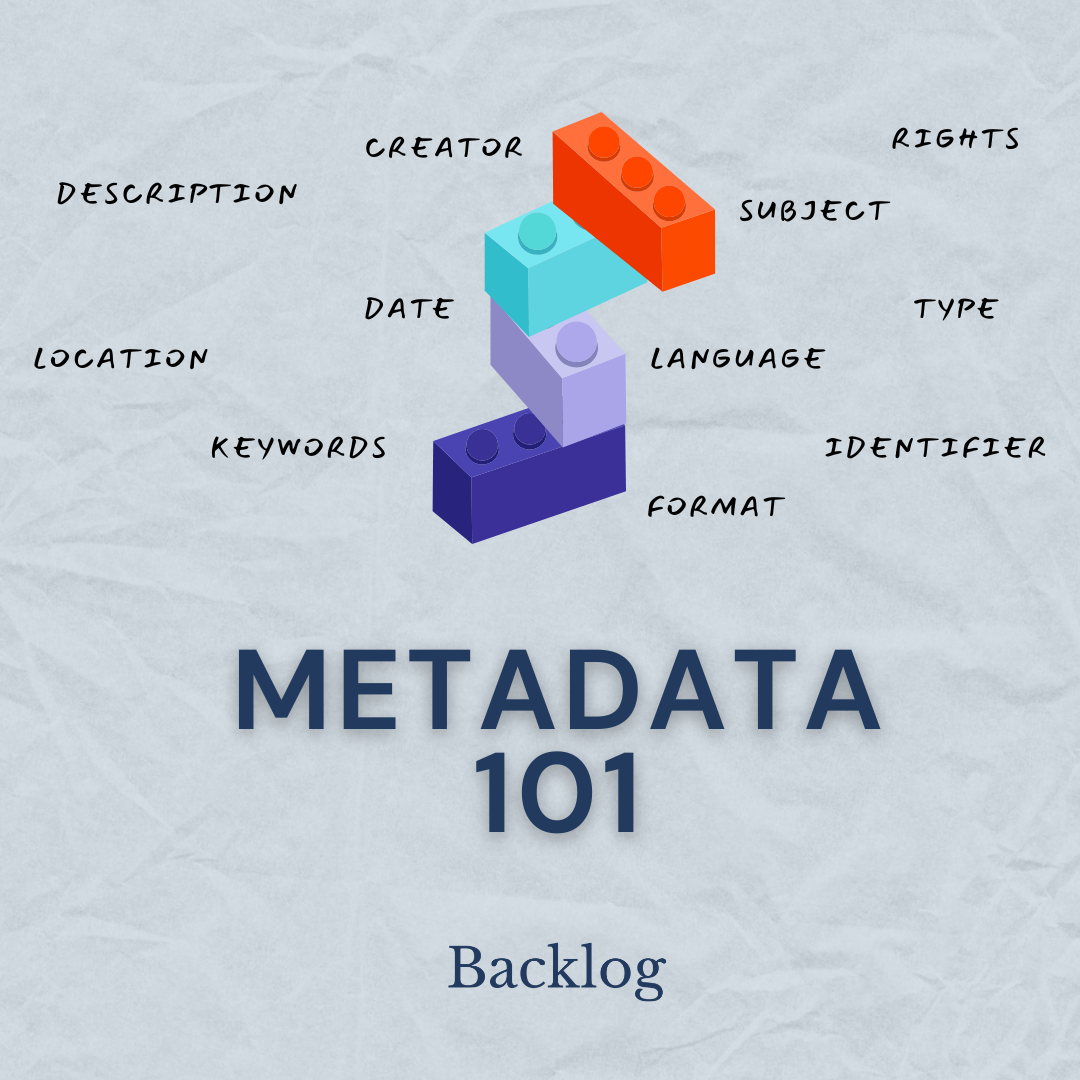
Metadata 101: Structure, Standards, and Why It Shapes Access
Metadata is structured information that describes, explains, locates, or otherwise makes it easier to retrieve, use, or manage an information resource.
Accession, Acquisition, & Appraisal: How Materials Enter an Archive
If you have ever inherited a back room of unprocessed donations, opened a cabinet labeled “misc,” or found a box with no paperwork and no clear owner, you already know this truth. Materials do not simply arrive in an archive and become part of the collection by magic. They enter because someone made a decision, someone took custody, and someone documented what happened.
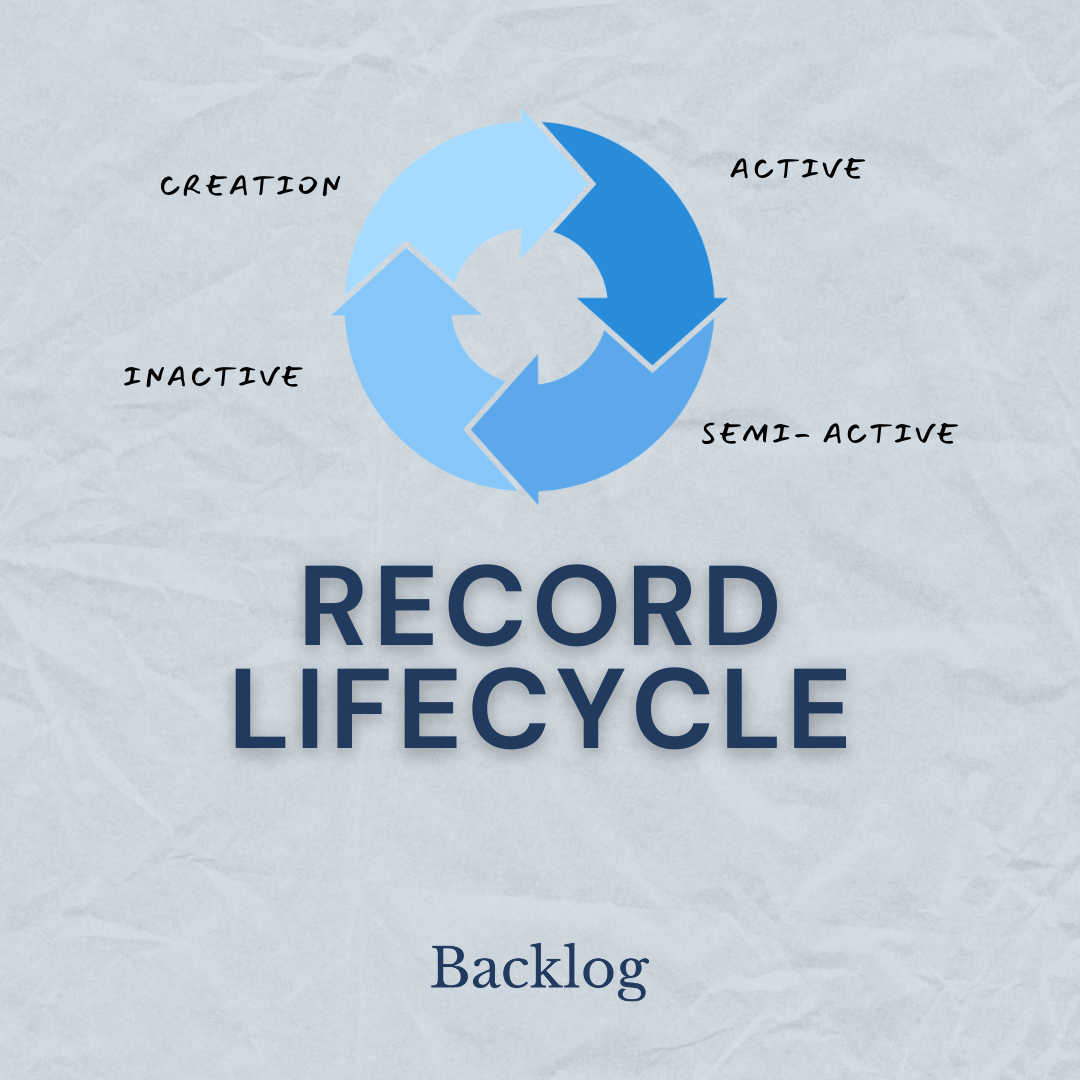
From Creation to Archives: Understanding the Records Lifecycle
Every archive begins long before a box is labeled or a digital folder is organized. It begins at the moment a record is created.
Tools of the Trade: Buffered Tissue
Here at Backlog, we’ve talked a lot about acidic materials. (Yeah, we’re looking at you 20th century paper products.) So by now you probably know the best way to prevent degradation is to neutralize the acidic materials’ pH. This, of course, is where buffered tissue comes in.
How to Start an Archive When You Inherit a Mess
Walking into an archival space that is already full can feel paralyzing. There are boxes stacked in corners, binders slumping on shelves, mystery USB drives in desk drawers, and no clear map of what any of it means. The instinct is to start organizing immediately. Resist that instinct.
Disaster Planning for Archives: A Practical Plan You Can Actually Use
Disaster planning is one of those topics people know they should tackle, but it keeps slipping down the list because it feels overwhelming, technical, and a little grim. The reality is simpler. A disaster plan is just a set of decisions you make ahead of time so that when something goes wrong, you are not inventing your response while you are stressed, tired, and trying to protect people and collections at the same time.
Thoughtful Digitization: Why Archivists Look Beyond the Database
It might be counterintuitive, but archival theory teaches us to save the originals after we digitize documents.
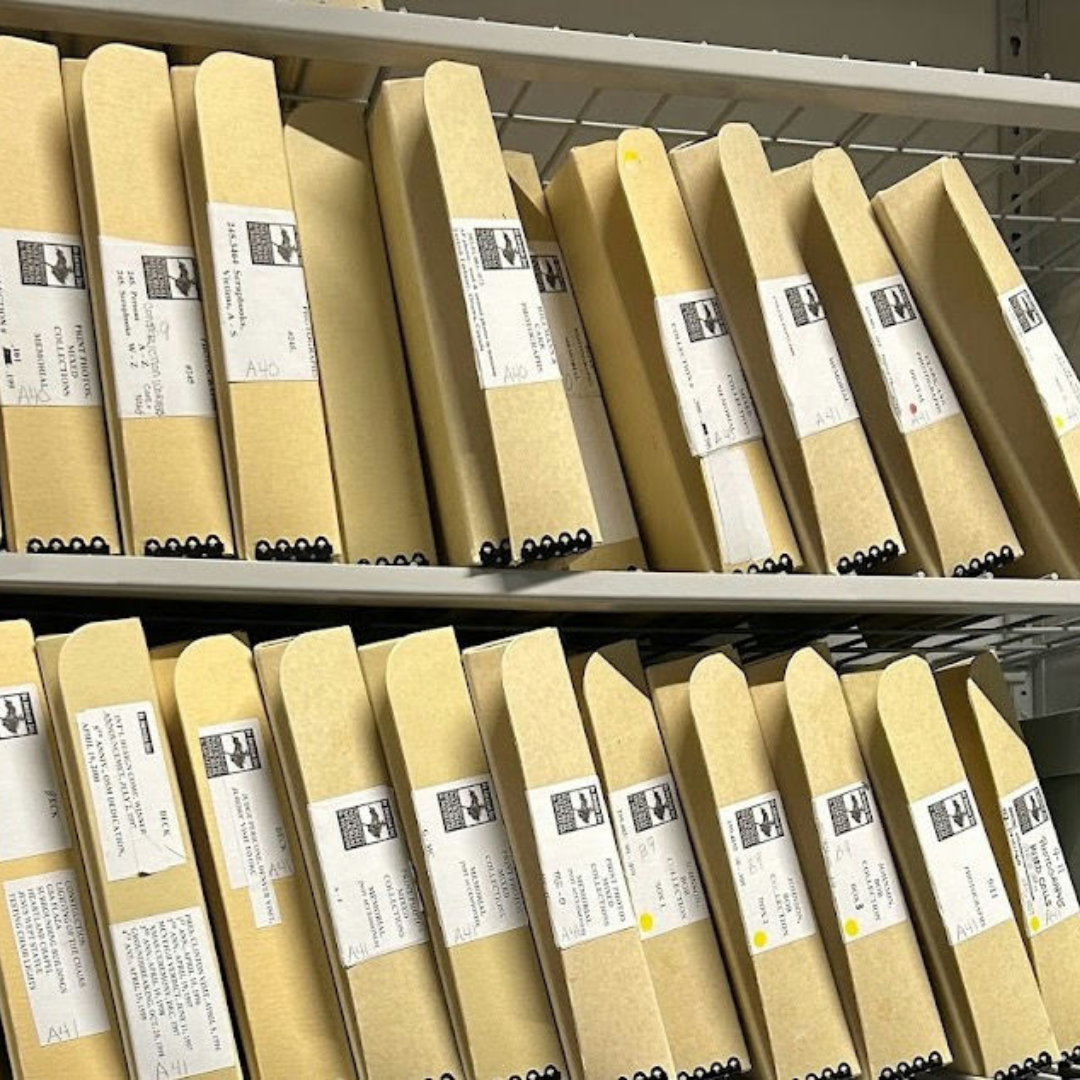
Tools of the Trade: Box Binders
Acid-free and reinforced enclosures with internal 3-ring binder rings typically used for storing photographs
Academic Archives: Why They Matter and Why I Love Working With Them
Through Backlog, I’ve worked with a wide range of archives. We’ve worked with museums, nonprofits, performing arts organizations, companies over 100 years old, and even parliamentary archives. But my first job was in an academic archive, and I still get especially excited when a school reaches out to us. This is my wheelhouse.
More Product, Less Process: What It Is, Why It Took Off, and When It Works
If you have ever walked into a storage room full of boxes that no one can access, you already understand the problem MPLP was trying to solve.
Why Archives Should Track Statistics
Keeping track of volunteer hours, research requests, and visitor statistics might sound like simple record-keeping, but it is actually one of the most important ways an archive can demonstrate its impact.
Deciphering Handwriting III: Industrial Revolution and Beginnings of the Information Age
The nineteenth century was so bountiful with changes in how people wrote and thought about writing that I expanded my earlier webinar into a second one focused solely on this period.