
Blogs
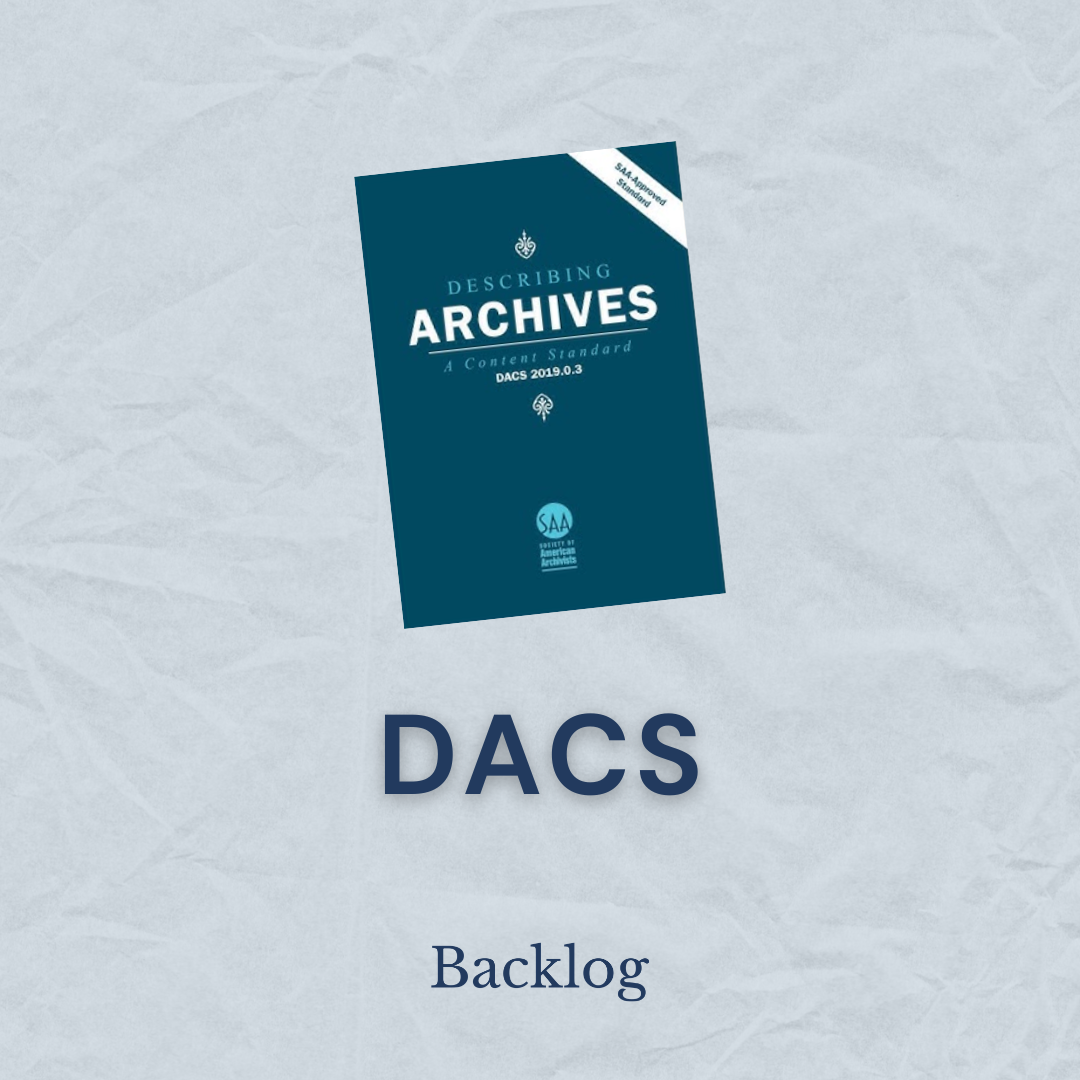
DACS, Explained: The Archival Standard Behind Better Finding Aids
If you have ever opened a finding aid and thought, “This is exactly what I needed,” you have benefited from DACS, even if you have never heard the acronym before.
When a Spreadsheet is Smarter Than a Database
Software without ownership, documentation, and maintenance becomes a time capsule. It feels like progress at the moment of purchase. Years later, it can become inaccessible, unsupported, or effectively abandoned. That does not mean you should never use archival software. It means you should earn it.
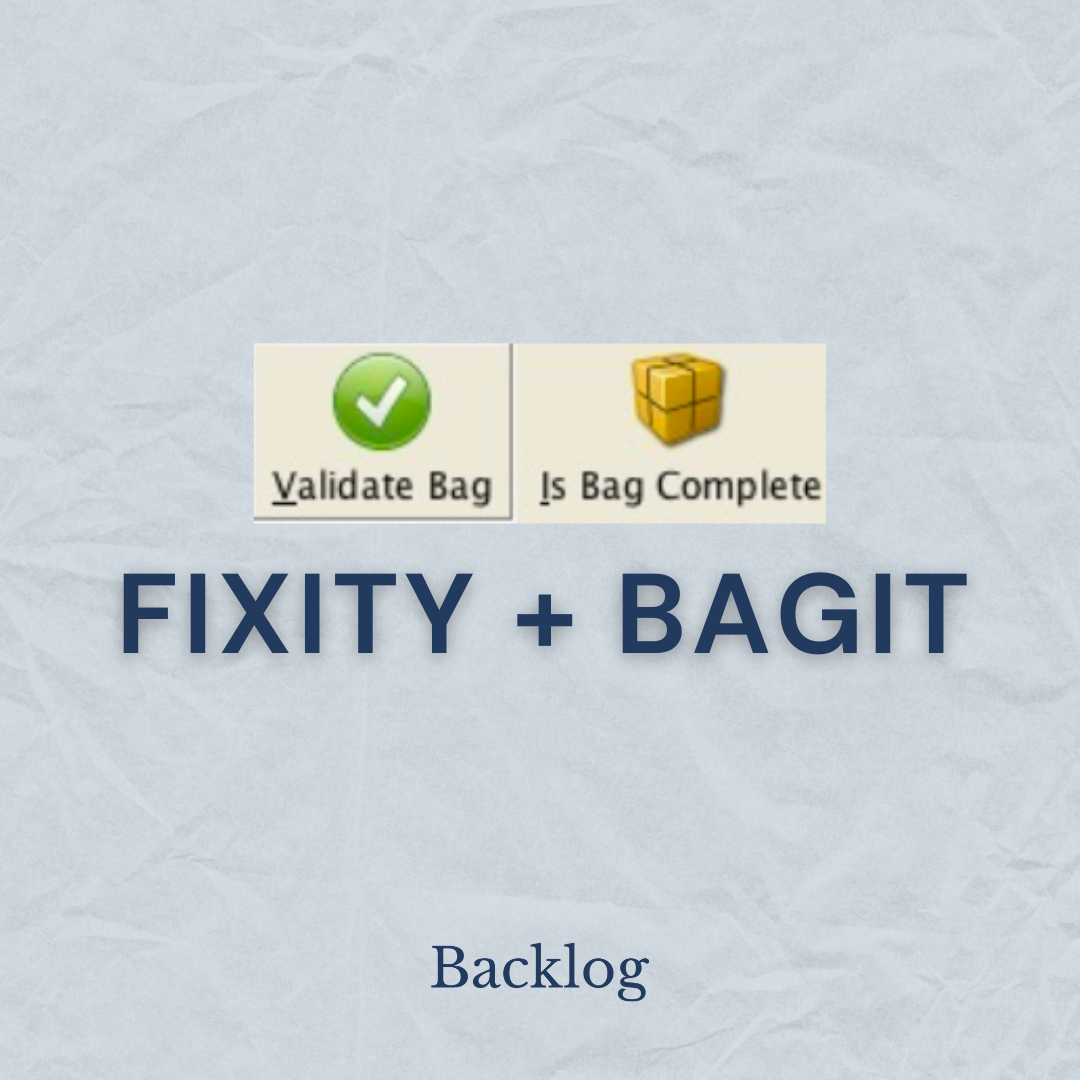
Fixity and Bagit: A Practical Guide to Digital Preservation Integrity
When an organization claims it is preserving digital records, what it is really claiming is this: the files you see today will be the same files you can access tomorrow, next year, and ideally decades from now.
That claim requires proof. In digital preservation, that proof comes from fixity.

Tools of the Trade: Drop-front Boxes
Drop-front boxes do just that: the front of the box is a flap that allows for easier access from the front rather than the top.
Tools of the Trade: Storage Carton
Like folders, record storage cartons AKA banker's boxes are staples to cultural heritage collections. In one orientation, they can accommodate letter-size files and in the other, legal-size. They can also be used to transport and store non-paper museum objects.
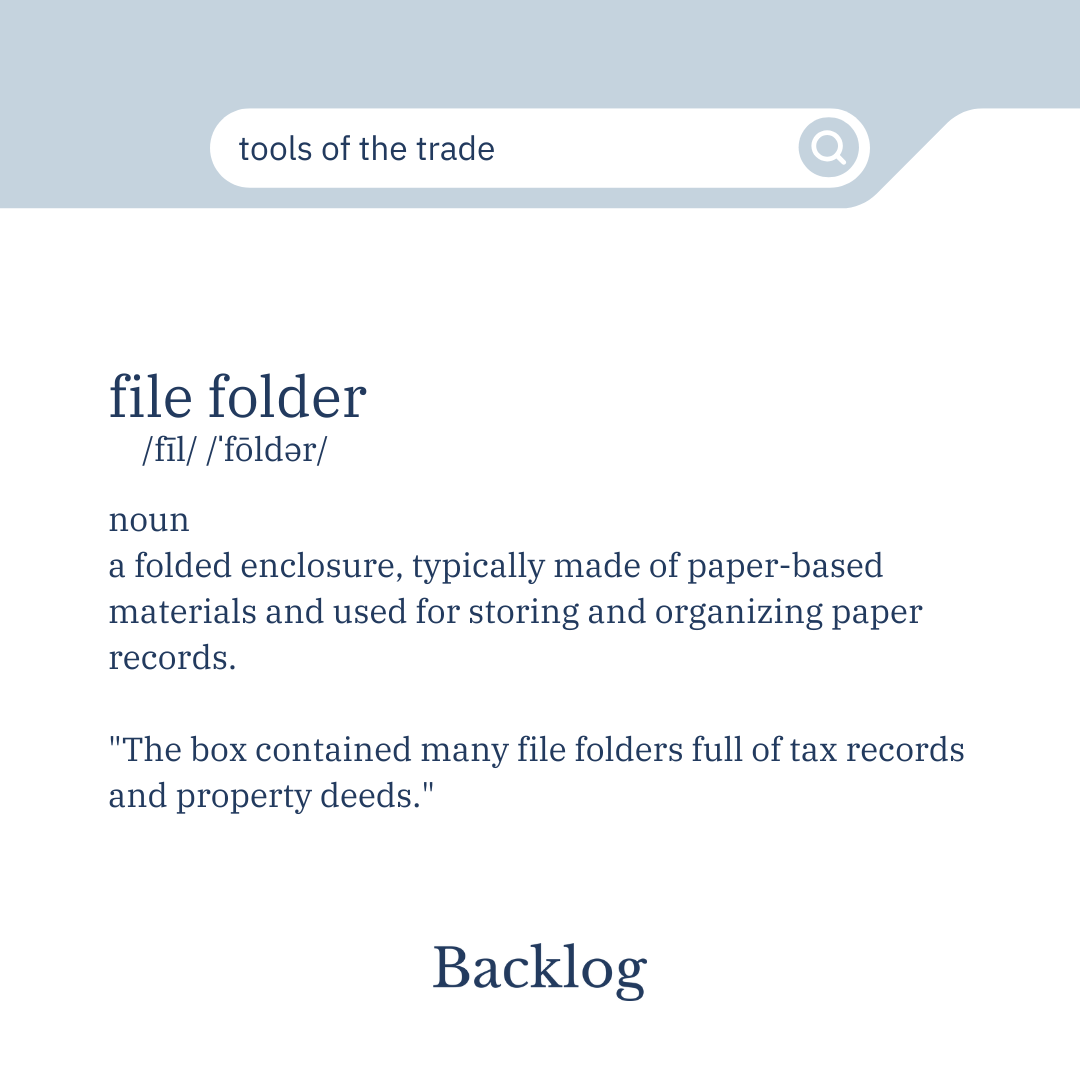
Tools of the Trade: File Folders
File folders are the basis of any archival collection. They’re not only ideal for storing loose documents together as a unit, but they can also be used to organize newspaper clippings, prints, and even some books.
Tip #34: Never store your news clippings next to other documents.
Newspapers, particularly newspapers printed in the 20th century and beyond, are very acidic. As such, newspaper clippings are prone to brittleness and should be considered high priority for digitization.
Tip #33: Limit handling damage with phase boxes.
Planning on storing books directly on shelves rather than in boxes and folders? Consider using a phase box.
Tip #32: Balance access with preservation.
Easier said than done. If you’re supposed to limit handling, how do you respond to research requests? How do you create exhibitions?
Tip #31: Limit playback of vinyl records.
That said, if you have to play the record, the state of the turntable matters just as much as everything else we’ve discussed (see Tip #25).
Tip #30: Wear nitrile gloves when handling film.
Pop quiz! Name one material you should NOT handle with gloves?

Tip #29: Be extra careful with your CD-RWs.
The other week we mentioned you should store your optical media somewhere with a stable and regulated temperature. This is a good general rule for all archival material, but is particularly true for CD-RWs aka rewritable CDs.

Tip #28: Optical media isn’t immune to the typical archival archnemeses.
CDs, DVDs, Blu-ray. What’s the difference exactly?
Tip #27: Only you can prevent the gunking up of your tape player.
If archives were a superhero show, there would be a couple repeat villains. Mechanical damage, heat, light, and today's archnemesis: humidity.

Tip #26: Act as if magnetic tapes are temporary.
If you were around at the peak of cassettes, then you might have heard that electronics can erase a tape. We’re here to confirm that rumor is true!

Tip #25: Not all records are made equal.
If you’ve ever played a record or even just perused a record shop, you’re probably thinking duh.

Tip #24: Learn to identify your materials.
The other week we talked about a type of degradation that only happens to certain audiovisual (AV) materials, but can you tell your AV materials apart enough to know which?

Preserving Paper: A Practical Guide
Paper is one of the most common materials found in archives and personal collections. It’s also one of the most vulnerable. It can fade, tear, mold, or crumble, especially if it’s stored in the wrong environment or handled carelessly. Whether you're preserving family letters, legal records, or historic documents, this guide walks you through the basics of keeping paper in good shape for the long haul.

Preserving Books: A Practical Guide
Books are often some of the most beloved and heavily used items in a personal or institutional collection. Whether you’re caring for a Civil War-era family Bible, a 20th-century community cookbook, or a first edition stored in special collections, books require thoughtful handling and storage. This guide walks through the basics of book preservation so you can keep yours in good shape for years to come.

Preserving Photographs: A Practical Guide
Photographs are some of the most treasured items in any personal or institutional collection. Whether you're looking at a studio portrait from 1880 or a Polaroid from your childhood, photographs have a way of collapsing time. But they’re also some of the most fragile materials in our care. This guide breaks down practical ways to care for photographs, with an eye toward long-term preservation, whether you’re working with family photos or historical archives.